Protecting Your Home: Preparing Your Water Heater Before Hurricanes Hit
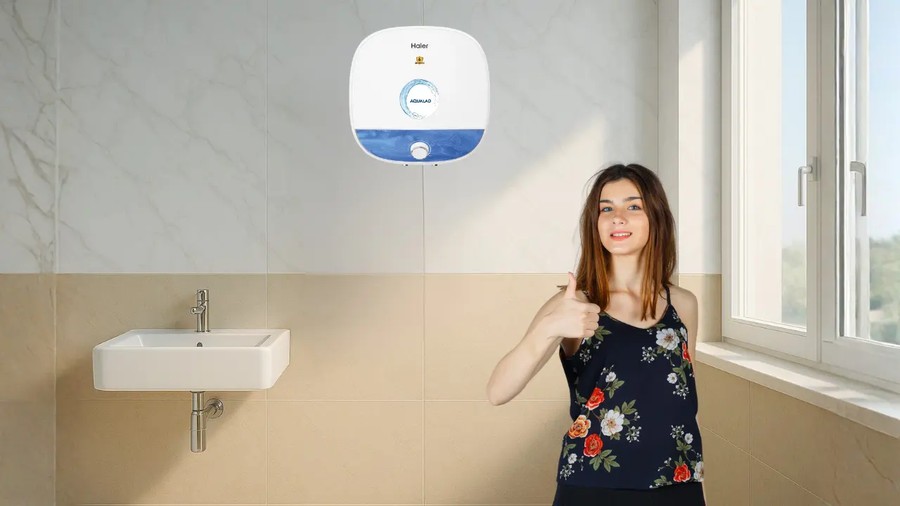
As hurricane season nears, homeowners in at-risk areas should take proactive steps to protect both their property and their families. One important but frequently overlooked part of storm preparation is the water heater. Although it may not seem like an obvious concern, your water heater can significantly impact your home’s safety and resilience during and after a hurricane. Here’s why it matters and how to get it ready before storms arrive.
Why Focus on the Water Heater?
Water heaters are typically situated in garages, basements, or utility closets—locations that are often susceptible to flooding. If a hurricane causes flooding or power outages, an unsecured water heater can become a hazard, potentially tipping over, leaking hazardous gases, or being damaged beyond repair. Moreover, your water heater holds a significant supply of clean water, which can be invaluable if your main water supply becomes contaminated or interrupted during a storm.
Step-by-Step Guide: Preparing Your Water Heater for Hurricane Season
- Secure the Water Heater
Begin by ensuring your water heater is properly strapped and braced. Use heavy-duty straps or a water heater restraint kit, securing the tank to wall studs. This prevents the heater from tipping over during strong winds or minor seismic activity associated with hurricanes. - Elevate the Unit
If your water heater is located in an area prone to flooding, consider elevating it on a sturdy platform. Ideally, the base of the water heater should be at least 18 inches above the floor, reducing the risk of water damage from minor flooding events. - Turn Off Utilities Before the Storm
Before hurricanes hit, turn off the gas or electricity supply to your water heater. Locate the shut-off valve or switch in advance, and ensure all family members are familiar with it. This step helps prevent electrical shorts or gas leaks if the unit is damaged during the storm. - Check for Leaks and Maintenance Issues
Inspect your water heater for any signs of rust, leaks, or corrosion. Addressing these issues before hurricane season can prevent minor problems from becoming major hazards if the unit is subjected to extreme conditions. - Preserve Clean Water
In the event of a water service interruption, your water heater can serve as a source of clean water. After turning off the main water supply to your home, the water inside the tank remains potable. Learn how to access this water safely by reading your heater’s manual or consulting a professional.
Final Thoughts
Preparing your water heater for hurricane season is a small investment of time and effort that can pay off significantly during an emergency. By securing, elevating, and maintaining your unit, you not only reduce the risk of property damage but also ensure access to clean water when you need it most. Take these steps now—before hurricanes hit—to safeguard your home and family throughout the storm season.



Leave a reply


-
Protecting Your Home: Preparing Your Water Heater Before Hurricanes Hit
As hurricane season nears, homeowners in at-risk areas should take proactive steps ...