Parquet Flooring vs Engineered Wood Which One Is Better for Modern Living?
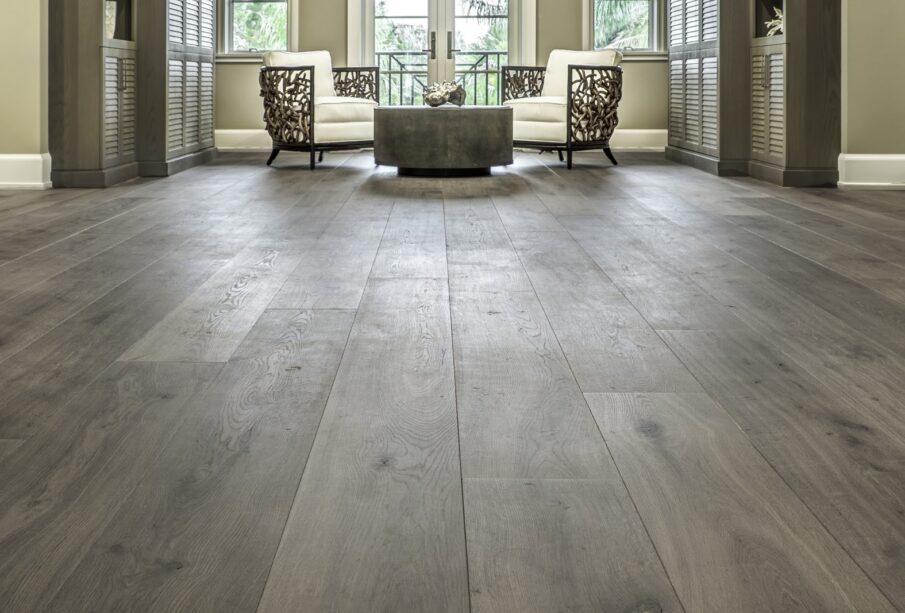
Choosing the right flooring plays a major role in defining the comfort, style, and functionality of a modern home. Among the most popular wood flooring options today, parquet flooring and engineered wood flooring often stand out. Both offer natural beauty and long-term value, but they differ significantly in construction, performance, and suitability for contemporary lifestyles.
So, which one is the better choice for modern living? Let’s break it down.
Understanding Parquet Flooring
Parquet flooring is known for its decorative wood patterns created by arranging small wood blocks in geometric designs. Classic patterns such as herringbone, chevron, basket weave, and Versailles have been used for centuries and are now enjoying a strong comeback in modern interiors.
Traditionally made from solid hardwood, parquet flooring offers a timeless, high-end appearance that adds character and warmth to any space. Each piece showcases natural wood grain, making every floor unique. Today, parquet is available in various wood species, finishes, and contemporary patterns that fit both classic and modern homes.
Key benefits of parquet flooring include:
Elegant, design-driven aesthetics
Long lifespan when properly maintained
Ability to be sanded and refinished multiple times
Strong resale value due to its premium appeal
However, parquet flooring is more sensitive to moisture and temperature changes, which can affect its stability in certain environments.
Understanding Engineered Wood Flooring
Engineered wood flooring is a modern solution designed to offer the look of real wood with enhanced stability. It consists of a top layer of natural hardwood bonded to multiple layers of plywood or high-density fiberboard underneath. This layered construction improves resistance to humidity, expansion, and contraction.
Engineered wood has become a favorite in modern apartments, offices, and high-traffic areas due to its practical performance and easier installation options.
Key benefits of engineered wood flooring include:
Greater dimensional stability
Suitable for varying climates and humidity levels
Compatible with underfloor heating
Faster and more cost-effective installation
While engineered wood can be refinished, the number of times depends on the thickness of the top hardwood layer.
Aesthetic Appeal: Design vs Versatility
When it comes to aesthetics, parquet flooring is the clear winner for homeowners who prioritize visual impact and craftsmanship. Its intricate patterns create a statement floor that can elevate luxury villas, boutique hotels, and elegant living spaces.
Engineered wood, on the other hand, focuses on clean, contemporary appeal. It is typically available in plank-style designs that suit minimalist, modern, and Scandinavian interiors. While it may lack the decorative complexity of parquet, it offers consistency and versatility across different spaces.
Choose parquet if design and uniqueness matter most.
Choose engineered wood if you prefer a modern, streamlined look.
Durability and Performance in Modern Homes
Modern living often involves fluctuating indoor temperatures, air conditioning, and varying humidity levels—especially in apartments and urban settings. This is where engineered wood excels. Its layered construction allows it to handle environmental changes better than traditional parquet.
Parquet flooring, especially solid wood parquet, requires stable indoor conditions to prevent movement, gaps, or warping. With proper installation and care, it remains durable, but it does demand more attention.
For homes with pets, children, or heavy foot traffic, engineered wood generally offers better day-to-day performance.
Installation and Maintenance Comparison
Installation is another important factor. Parquet flooring installation is more labor-intensive and requires skilled craftsmanship to achieve precise patterns. This can increase both installation time and cost.
Engineered wood flooring offers flexible installation methods, including floating, glue-down, or click-lock systems. This makes it faster to install and more suitable for renovation projects.
In terms of maintenance:
Parquet flooring requires careful cleaning, regular polishing, and protection from moisture.
Engineered wood is easier to maintain and more forgiving with everyday use.
Cost Considerations
Parquet flooring is generally considered a premium flooring option, especially when made from high-quality hardwood and complex patterns. Its long lifespan and ability to be refinished multiple times can justify the investment over time.
Engineered wood flooring is often more budget-friendly upfront, with a wide range of price points depending on wood species and layer thickness. It offers excellent value for homeowners seeking durability without luxury-level costs.
Which Flooring Is Better for Modern Living?
The answer depends on your lifestyle, space, and priorities:
Choose parquet flooring if:
You value timeless elegance, artistic patterns, and long-term investment in luxury interiors.
Choose engineered wood flooring if:
You need stability, practicality, easier installation, and a flooring solution that adapts well to modern living conditions.
Both options offer the beauty of real wood. The key is balancing aesthetics, performance, and maintenance based on how you live and use your space.
Final Thoughts
Parquet flooring and engineered wood flooring each bring unique strengths to modern interiors. While parquet flooring delivers unmatched elegance and character, engineered wood offers flexibility and reliability for today’s fast-paced lifestyles. By understanding their differences, you can confidently choose the flooring that best supports your home’s design and daily needs.

Leave a reply
-
Why Hiring Local Roofing Experts Is the Best Choice for Your Home
When it comes to roofing projects, choosing the right contractor is one ...