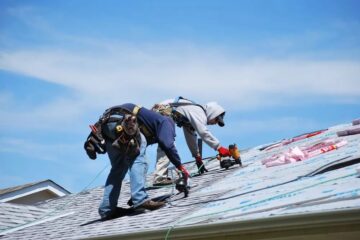
Asbestos Presence in Older East Coast Homes
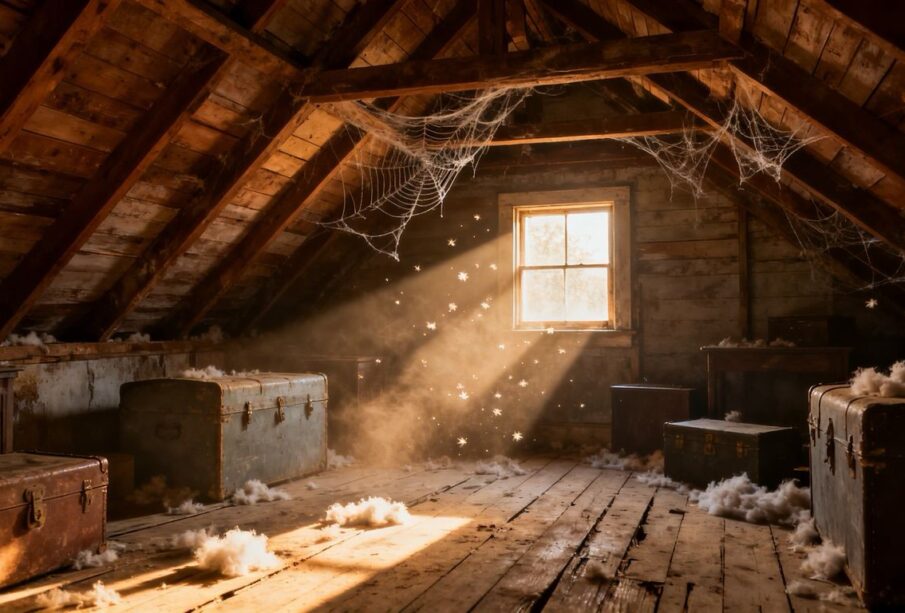
Historical Use of Asbestos in Construction
Asbestos, a mineral prized for its durability and resistance to heat and chemicals, was a common additive in building materials for decades. Its widespread use in construction, particularly from the 1930s through the 1970s, means that many homes built during this era, especially on the East Coast, may still contain asbestos-containing products. Manufacturers incorporated asbestos into thousands of items, making it a ubiquitous component in residential construction. While its use in new products has significantly declined since the late 1970s and early 1980s due to growing awareness of its dangers, older homes can still harbor these materials. It’s estimated that over 30 million tons of asbestos were used in the United States between 1900 and 1980, and many of these materials remain in place today.
Identifying Potential Asbestos-Containing Materials
Pinpointing asbestos in a home can be tricky because the mineral itself is made of microscopic fibers and was often mixed into other materials. You can’t typically see the asbestos fibers with the naked eye. However, certain visual clues can suggest its presence. Homes built before the 1980s are more likely to contain asbestos. Specific materials commonly found in older residences that might contain asbestos include:
- Popcorn ceilings, often applied between 1945 and the early 1990s.
- Vinyl floor tiles and their backing, as well as vinyl sheet flooring.
- Insulation, such as vermiculite in attics, or materials used around furnaces, pipes, and ducts.
- Cement products like siding shingles and roofing.
- Textured paints and patching compounds used on walls and ceilings.
- Older appliances like ovens, heaters, and dryers.
It is critical to remember that visual inspection alone is not a definitive method for identification. If you suspect asbestos is present, it is best to avoid disturbing the material and consult with a professional. Testing is the only way to confirm the presence of asbestos.
The Risks of Asbestos in Older Homes on the East Coast
The primary danger associated with asbestos lies in its fibers. When asbestos-containing materials are disturbed, damaged, or deteriorate over time, these microscopic fibers can become airborne. Inhaling these fibers is hazardous and can lead to serious, long-term health problems, including lung cancer, asbestosis, and mesothelioma. The risk is particularly relevant for older homes on the East Coast, where construction practices common during the peak asbestos usage years are prevalent. Disturbing these materials during renovations or even through natural wear and tear can release fibers into the living environment. Exposure to asbestos fibers poses a significant health risk, and caution is always advised when dealing with suspected asbestos-containing materials in older residences. Understanding the potential for asbestos presence is a key part of responsible homeownership, especially for those living in older properties. For more information on the dangers of asbestos, you can refer to resources on asbestos and health.
Common Locations for Asbestos in Residences
Many older homes, especially those built before the 1980s, still harbor materials containing asbestos. This mineral was widely used for its strength and resistance to heat and fire, making its way into a surprising number of building components. Identifying these potential sources is the first step in managing the risk.
Asbestos in Insulation and Ceilings
Insulation is a prime suspect for asbestos. In attics, vermiculite insulation, which looks like small, shiny pebbles, is particularly notorious. Much of the vermiculite sold in the U.S. between 1919 and 1990 may have been contaminated. Similarly, pipe and boiler insulation in basements, often appearing as a white or gray wrap, frequently contains asbestos. Ceilings are another common area. “Popcorn” or textured ceilings, popular for their ability to hide imperfections and add acoustic qualities, could contain asbestos fibers. As these materials age or are disturbed, they can release fibers into the air.
Asbestos in Flooring and Walls
Vinyl floor tiles, a common choice for kitchens and bathrooms, may contain asbestos in both the tile itself and the adhesive used to install it. Asbestos cement sheets were also used for interior walls, and older drywall or joint compounds could have asbestos mixed in. If you’re planning to remove old flooring or cut into walls, be aware that these actions can disturb asbestos-containing materials.
Asbestos in Appliances and Fixtures
Beyond the structure itself, asbestos found its way into various household items. Older appliances like ovens, heaters, and even some clothes dryers manufactured before the 1980s might contain asbestos components, often used for insulation or heat resistance. Other less obvious places include:
- Cement siding and roofing shingles
- Older forms of textured paint
- Gaskets and seals in furnaces or boilers
- Window putty
Health Implications of Asbestos Exposure
When asbestos-containing materials in older homes are disturbed, microscopic fibers can become airborne. Inhaling these tiny particles is the primary way asbestos exposure occurs, and it can lead to serious, long-term health problems. It’s important to understand that there is no known safe level of asbestos exposure; even small amounts can pose a risk.
Diseases Linked to Asbestos Inhalation
Exposure to asbestos fibers is directly linked to several severe health conditions. These include:
- Asbestosis: This is a chronic lung disease that causes scarring of lung tissue, leading to shortness of breath and a persistent cough. It’s a progressive condition, meaning it worsens over time.
- Lung Cancer: Individuals exposed to asbestos have a significantly higher risk of developing lung cancer, especially if they also smoke. The risk is compounded by smoking.
- Mesothelioma: This is a rare but aggressive cancer that affects the lining of the lungs, chest, abdomen, or heart. It is almost exclusively caused by asbestos exposure.
- Other Cancers: Research also suggests a link between asbestos exposure and cancers of the larynx, esophagus, colon, and ovaries.
The Latency Period of Asbestos-Related Illnesses
One of the most concerning aspects of asbestos-related diseases is their long latency period. This means that symptoms may not appear for many years, often 10 to 40 years or even longer, after the initial exposure. This delay can make it difficult to connect current health issues to past asbestos exposure, especially if the exposure occurred decades ago in a former residence.
Understanding the Dangers of Airborne Fibers
Asbestos fibers are incredibly small and lightweight, making them easily dispersable in the air when disturbed. They can remain airborne for extended periods, increasing the likelihood of inhalation. Once inhaled, these fibers can lodge deep within the lungs and other tissues. Over time, they can cause inflammation, scarring, and cellular changes that may eventually lead to the development of serious diseases. Because these fibers are often invisible to the naked eye, their presence and danger can go unnoticed until health problems arise.
Exposure Scenarios and Risk Factors
Risks Associated with Home Renovations
When undertaking renovations in older East Coast homes, the potential for disturbing asbestos-containing materials significantly increases. Activities like tearing down walls, removing old flooring, or replacing insulation can release microscopic asbestos fibers into the air. These fibers, though invisible to the naked eye, can remain suspended for extended periods, posing a serious inhalation risk. The danger is not limited to major demolition; even seemingly minor tasks can stir up settled fibers.
DIY Projects and Asbestos Disturbance
Many homeowners opt for do-it-yourself (DIY) projects to save money or for personal satisfaction. However, without proper knowledge and protective equipment, these projects can inadvertently lead to asbestos exposure. Tasks such as sanding old paint, cutting into drywall, or removing textured ceilings can easily dislodge asbestos fibers. It’s important to remember that there is no known safe level of asbestos exposure, and even short-term, high-level exposure can be harmful.
Secondary Spread of Asbestos Fibers
Once asbestos fibers become airborne, they can spread beyond the immediate work area. They can settle on clothing, hair, and skin, and can be tracked throughout the house. This secondary spread means that individuals not directly involved in the renovation or DIY project can also be exposed. This is particularly concerning for children and pets who may spend more time closer to the floor where fibers can accumulate. Key scenarios where secondary spread is a concern include:
- Activities that stir up dust, like sweeping or vacuuming.
- Wearing contaminated clothing or shoes into other parts of the home.
- Allowing pets to roam in areas where asbestos may have been disturbed.
Mitigating Asbestos Risks on the East Coast
Professional Inspection and Testing
When dealing with older homes, especially those on the East Coast with a long construction history, identifying potential asbestos-containing materials is the first step. Homeowners should not attempt to guess if a material contains asbestos. Instead, it is highly recommended to engage certified asbestos professionals. These experts have the training and equipment to conduct thorough inspections and collect samples for laboratory testing. This process is vital because disturbing asbestos materials without proper knowledge can release harmful fibers into the air, creating a significant health hazard. A professional assessment provides clarity and a safe starting point for any further action.
Safe Handling and Abatement Procedures
If asbestos is detected, the next step involves safe handling and abatement. It is critical to understand that DIY removal is strongly discouraged due to the severe health risks involved. Certified asbestos abatement professionals follow strict protocols to contain and remove asbestos materials safely. These procedures often include:
- Containment: Creating sealed work areas to prevent fiber spread.
- Removal: Carefully detaching asbestos-containing materials using specialized tools and techniques.
- Disposal: Transporting and disposing of asbestos waste according to stringent federal and local regulations.
- Cleanup: Thoroughly cleaning the area to remove any residual fibers.
In some cases, encapsulation or enclosure might be a viable alternative to removal, where the asbestos material is sealed off to prevent fiber release. The best approach depends on the material’s condition and location.
When to Avoid Disturbing Suspected Materials
There are specific situations where it is best to leave suspected asbestos materials undisturbed. If the material is in good condition and unlikely to be damaged or disturbed through normal living activities, it may be safest to leave it in place. This is particularly true for:
- Intact insulation: Materials like asbestos-laden vermiculite in attics or walls that are not crumbling or flaking.
- Sealed flooring: Vinyl tiles or sheet flooring that are still well-adhered to the subfloor.
- Undamaged textured ceilings: Popcorn ceilings that show no signs of wear or damage.
Any planned renovation, repair, or demolition work that might disturb these materials should only proceed after a professional assessment and, if necessary, abatement. The principle is simple: if you don’t need to touch it, and it’s not damaged, leave it alone.
Regulatory Landscape and Consumer Awareness
Historical Regulations on Asbestos Use
While asbestos was once a common building material, its use has been significantly curtailed over the decades due to growing awareness of its health risks. Early regulations, starting in the 1970s, began to address the dangers. The U.S. Environmental Protection Agency (EPA) first banned spray-applied asbestos materials, like those used for fireproofing and insulation, in 1973. Later, in 1975, regulations targeted asbestos pipe and block insulation, particularly for systems like boilers and hot water tanks, recognizing that many asbestos products could release fibers when dry. The U.S. Consumer Product Safety Commission also stepped in, banning asbestos in items like artificial ashes and embers for gas fireplaces in 1978, which were designed to glow and simulate burning. Despite these measures, a complete ban on all asbestos products in the United States has not been enacted. Some materials containing asbestos were still permitted for sale and use for years after initial bans, often until existing inventories were depleted. This complex regulatory history means that older homes, especially those built before the late 1980s, may still contain asbestos-containing materials.
Ongoing Import and Sale of Asbestos Products
It might be surprising to learn that asbestos is not entirely banned in the United States. While its use in construction has drastically decreased, some products can still legally contain asbestos. For instance, the EPA finalized a ban on the ongoing use of chrysotile asbestos in January 2024, but this doesn’t cover all past uses or products. Historically, attempts to implement broader bans, such as a 1989 rule under the Toxic Substances Control Act (TSCA) that aimed to ban most asbestos products, were later overturned by court rulings. This leaves a gap where certain asbestos-containing materials might still be imported or sold, though their prevalence has diminished significantly due to lawsuits and reduced demand. Homeowners should be aware that even with regulatory changes, the potential for encountering asbestos in older homes remains.
The Importance of Informed Homeownership
Understanding the history and current status of asbestos regulations is vital for homeowners, particularly those on the East Coast with older properties. Knowing where asbestos might be lurking is the first step toward protecting your family’s health. Without proper identification, disturbing suspected materials during renovations or even routine maintenance can release harmful fibers into the air. It is strongly advised against attempting to identify or remove asbestos yourself. Instead, rely on qualified professionals for inspection and testing. If you suspect asbestos is present, the safest course of action is often to leave it undisturbed. If abatement is necessary, ensure that any contractors hired are properly licensed and certified, as required in many jurisdictions. For example, in British Columbia, asbestos abatement contractors must be licensed by WorkSafeBC, and workers need specific certification licensed by WorkSafeBC. Staying informed about potential hazards and following recommended safety protocols empowers homeowners to maintain a safe living environment.
Resource Guide


Leave a reply


-
Why Hiring Local Roofing Experts Is the Best Choice for Your Home
When it comes to roofing projects, choosing the right contractor is one ...